Before We Fall, We Drift
Adultery begins with a slow drift of the heart, choosing secrecy and desire over honesty and God, long before it becomes a visible act.

Adultery is usually not a decision we make all at once, but a direction we choose little by little.
It begins in a thousand small moments where we choose secrecy, fantasy, or self-pity over honesty and help.
It begins when we tell ourselves, “I deserve this.”
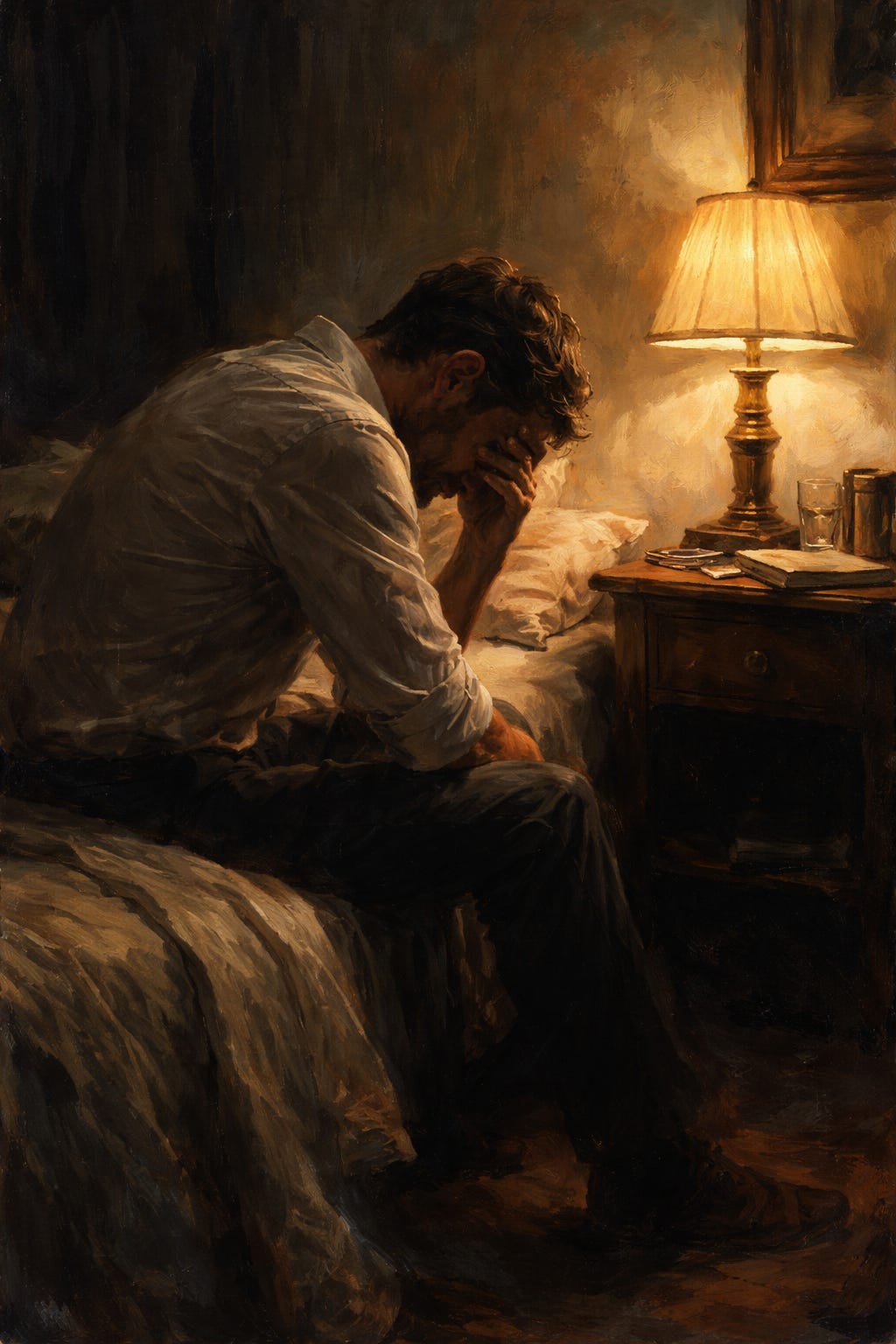
When we stop naming our loneliness out loud and start medicating it in private. When we choose imagination over conversation, escape over engagement, desire over discipline.
Long before the fall, there was a decision to lean into desire instead of leaning into God. And that’s the part that should sober us. Because most people who end up destroying their marriage did not wake up one morning and decide to become the villain in their own story.
They drifted. They excused. They delayed repentance one small step at a time.
Not a leap, but a lean.
A lean toward comfort.
A lean toward affirmation.
A lean toward feeling seen without the vulnerability of actually being known.
The Myth of the “Sudden” Collapse
We like to tell ourselves these stories as if they were accidents. As if temptation just jumped out of the bushes and tackled us. But Scripture tells a more honest story.
Sin is rarely impulsive. It is progressive.
James says desire conceives, gives birth to sin, and sin grows up into death.
There is a pregnancy before there is a delivery. There is nurture before there is catastrophe. Which means what we call “a mistake” is often the final chapter of a story we’ve been quietly writing for months or years.
Private compromises. Unconfessed resentment. Unspoken dissatisfaction.
Spiritual distance that felt manageable until it became unmanageable.
And here’s the uncomfortable truth:
Most affairs are less about passion and more about permission.
Permission we give ourselves to stop fighting.
To stop confessing.
To stop inviting light into places where darkness is growing comfortable.
When Desire Becomes a Savior
At its core, adultery is not just breaking a vow. It is worship.
It is asking another person to save us from boredom, from feeling invisible, from the ache of unmet expectations. It is turning desire into a redeemer.
And desire is a terrible savior. It always promises relief and always demands more.
More secrecy. More risk. More justification.
Until eventually the very thing that felt like rescue becomes the wreckage we are standing in.
This is why Jesus goes after the heart, not just the act.
“You have heard it said… but I say to you…”
He traces the line backward:
From bed to browser.
From betrayal to fantasy.
From covenant-breaking to craving.
Not to shame us, but to save us. Because if God only dealt with the final act, we would already be too late.
The Kindness of Exposure
Here is the mercy hidden inside the warning:
The gospel does not only forgive the act, it exposes the path, so grace can interrupt the drift and not merely meet us in the fallout.
That nagging conviction. That uneasy feeling. That quiet sense that something in you is starting to lean the wrong direction. That is not God being harsh. That is God being kind.
It is the Shepherd stepping into the path of a wandering sheep before the cliff suddenly shows up.
And here is where repentance becomes real. Not just confessing what you did. But confessing what you have been wanting.
Not just saying, “I messed up.”
But saying, “I’ve been trying to save myself with something other than God.”
That kind of repentance is humbling. It strips away the narrative where we are victims of circumstance. It tells the truth about our choices. But it also opens the door to real healing, not just damage control.
Before You Ruin What You Say You Love…
Most people who commit adultery would still say, honestly, that they love their spouse.
They love their kids. They love their life. Which is what makes sin so tragically ironic. We trade the very things we claim to treasure for the momentary relief of not having to face ourselves.
And this is where the gospel speaks its hardest and kindest word at the same time:
You don’t need to destroy your life to be honest about your emptiness.
You don’t need to burn down your marriage to admit you are lonely, tired, tempted, or struggling. You don’t need to prove your brokenness by breaking everything around you.
Grace is not waiting at the bottom of the cliff. It is calling out on the path:
Turn around.
Talk to someone.
Confess early.
Get help before you need rescue.
Because the bravest spiritual act is not pretending you are strong. It is admitting you are vulnerable while there is still time to protect what you love.
And the best news of all?
Even if you’ve already leaned too far…
or even if you’ve already fallen…
Christ does not meet betrayal with indifference, and He does not meet it with excuses.
He meets it with His wounds, with His blood, and with a judgment that has fallen on Himself before it ever falls on you. Which means grace is not God pretending nothing happened. And redemption is not some sentimental reset button.
It does not begin with automatic restored trust, but with repentance, with the hard, humbling work of telling the truth, dismantling secrecy, cutting off access, and surrendering every excuse that kept the sin alive.
Every. Single. Day.
Only then does the long, honest road begin, where trust is rebuilt slowly and humility becomes the only way forward.
Adultery does not begin in a moment of passion, and healing does not begin in one moment of apology. Both begin deeper than that, in the heart’s direction, in what we run to when we are tired, unseen, and tempted to escape. And redemption begins when we stop asking desire to carry what only God was meant to bear.
All glory to God.
- The Jesus Maximalist